How to Clean Outdoor Stairs Without Leaving Stripe Marks
Stripe marks on outdoor stairs usually come from uneven cleaning, overlapping pressure-washer passes, or detergent drying before it is rinsed away. In Rockhampton, heat can dry cleaning solutions quickly, while wet-season humidity encourages algae on shaded steps. A consistent cleaning method helps remove grime without leaving noticeable bands or damaging the surface.
Check the Stair Material First
The safest cleaning method depends on the surface. Sound concrete generally tolerates more pressure than timber, painted steps, or softer natural stone. However, excessive pressure can etch concrete and strip coatings, creating permanent lines rather than removable dirt marks.
Check the manufacturer’s care instructions for coated, sealed, or composite stairs. Avoid acidic cleaners on marble, limestone, and other acid-sensitive materials. Test your chosen cleaner and equipment on a small, inconspicuous area before treating the whole staircase.
How to Clean Stairs Evenly
- https://lanexisk212.summitquill.com/posts/what-rockhampton-homeowners-should-know-about-roof-algae
- Clear and sweep the stairs. Remove leaves, loose grit, and nearby items. Check for loose treads, damaged grout, or flaking coatings before adding water.
- Choose a cool, shaded period. In Rockhampton, work early when practical, but avoid conditions where poor visibility makes wet stairs unsafe. Do not apply detergent to hot surfaces.
- Apply a suitable cleaner. Follow the label’s dilution and dwell-time instructions. Keep the solution from drying, and scrub corners, tread edges, and risers with a surface-appropriate brush.
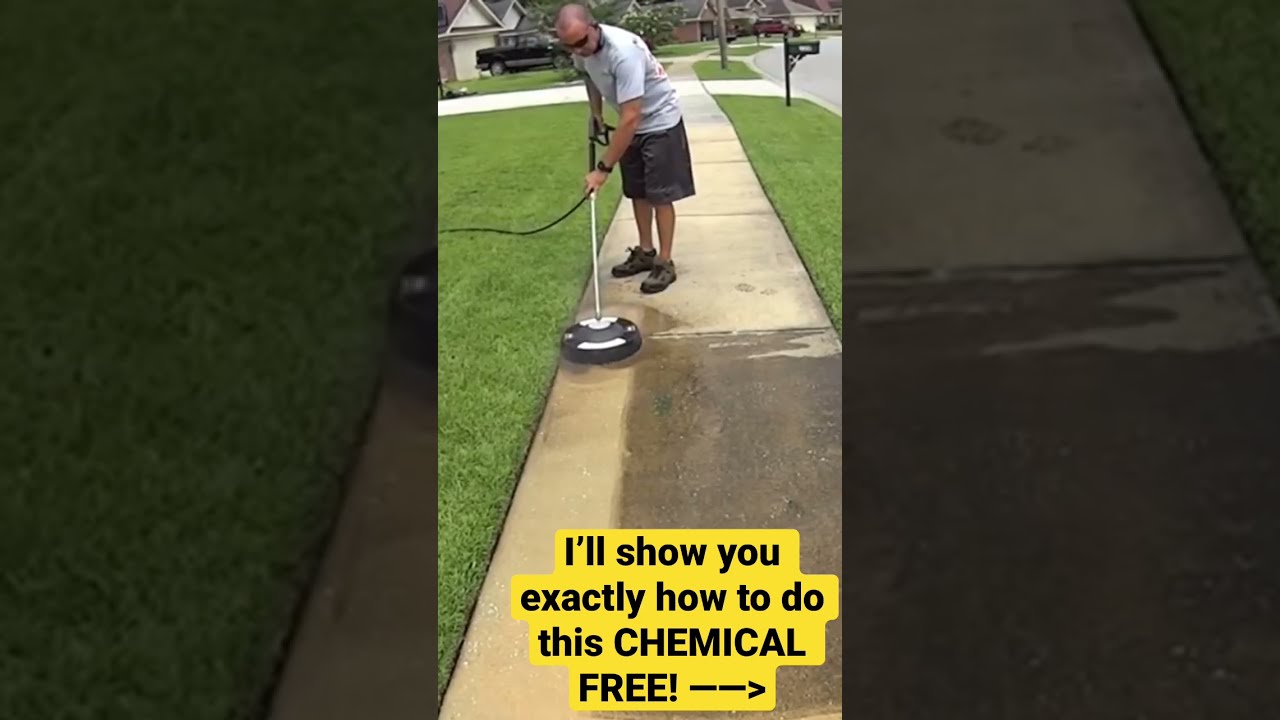
- Use gentle, consistent cleaning passes. If pressure washing is suitable, begin with low pressure and a wide fan nozzle. Maintain a consistent distance and angle, moving steadily across each tread with slightly overlapping passes. Never pause the jet on one spot.
- Work from the top down. Clean manageable sections and rinse loosened dirt downward before it dries. Finish with a thorough rinse from the highest step to the lowest.
- Check after drying. Wet surfaces can hide uneven results. Let the stairs dry before deciding whether any areas need further cleaning.
Prevent Detergent Lines and Runoff Stains
Too much detergent can leave residue that resembles pressure-washing stripes. Measure it rather than guessing, and rinse tread edges and risers thoroughly, as these areas often collect dirty water.
Protect nearby plants and prevent cleaning chemicals, sediment, and dirty wash water from entering stormwater drains. Plan how to contain and collect runoff before starting, and check Rockhampton Regional Council guidance where disposal requirements are unclear. Never mix bleach with acids, ammonia, or other cleaning products.
What If Stripe Marks Remain?
If the stripes are remaining dirt, another gentle, uniform clean may help. If they look lighter, feel rougher, or remain visible after drying, the surface may be etched or the coating damaged. Increasing pressure can make this worse; repair or refinishing may be necessary.
For steep stairs, delicate finishes, or persistent marks, a local exterior-cleaning professional can assess the surface and select suitable equipment. Keep the staircase closed to foot traffic until it is clean, rinsed, and safe to use.
Rockhampton Pressure Cleaning Pros
(07) 4065 8492